
Views: 0 Author: Site Editor Publish Time: 2026-05-15 Origin: Site
In the biomedical industry, the core of equipment is often thought to lie in detection technology, control systems, or key functional modules. However, in practical applications, the ability of equipment to operate reliably over the long term largely depends on the reliability of its structural components, among which hardware components are particularly critical.
Under the combined requirements of sterile environments, high-precision operation, and frequent usage, biomedical equipment increasingly emphasizes structural details. The importance of hardware components has been re-evaluated, evolving from basic accessories to key elements that directly affect equipment performance and safety.
1. Sterile Environment and Sealing Requirements: Latches Ensure Structural Reliability
In biomedical devices, sealing performance directly affects environmental control and safety. For instance, in biosafety cabinets, medical refrigeration equipment, or cleanroom cabinets, poor sealing may lead to contamination risks or temperature control failures.
In this context, latches play a crucial role:
· Provide stable clamping force to ensure cabinet doors close tightly
· Enhance overall sealing performance, reducing external interference
· Maintain locking stability over long-term use
For cleanroom applications, latches typically require corrosion-resistant materials and optimized designs to minimize cleaning dead zones.

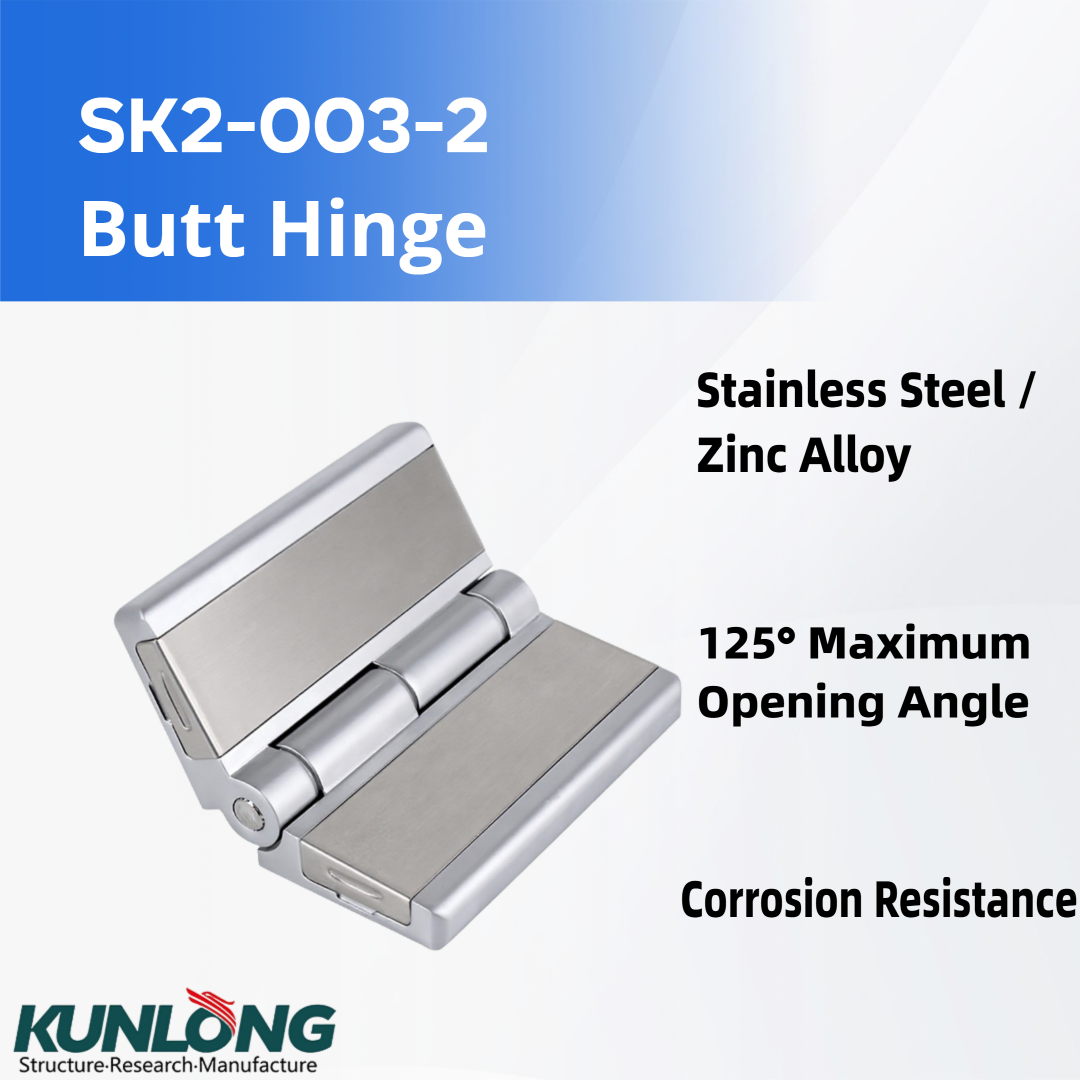
2. Structural Connections and Service Life: Hinges Affect Long-Term Stability
Biomedical equipment often experiences frequent opening and closing, such as device doors, cabinet panels, or operation panels. During long-term use, the stability of structural connectors becomes essential.
Hinges play a core role in this process:
· Ensure smooth door operation, enhancing user experience
· Prevent sagging or misalignment over extended use
· Maintain structural alignment, thereby safeguarding sealing performance
In high-standard applications, hinges must not only be durable but also maintain structural stability and consistent operation.

3. Precision and Stability Requirements: Leveling Feet Form the Operational Foundation
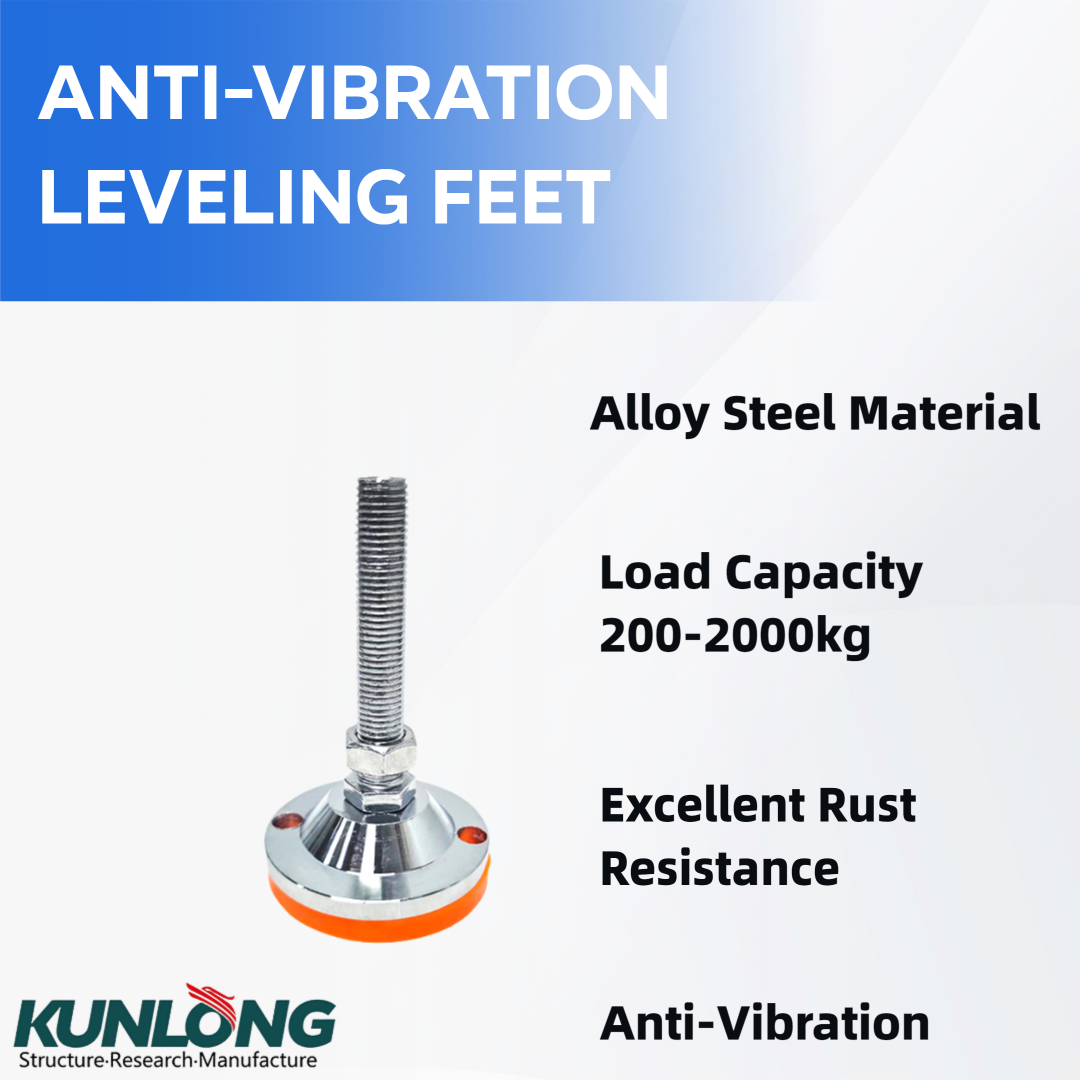
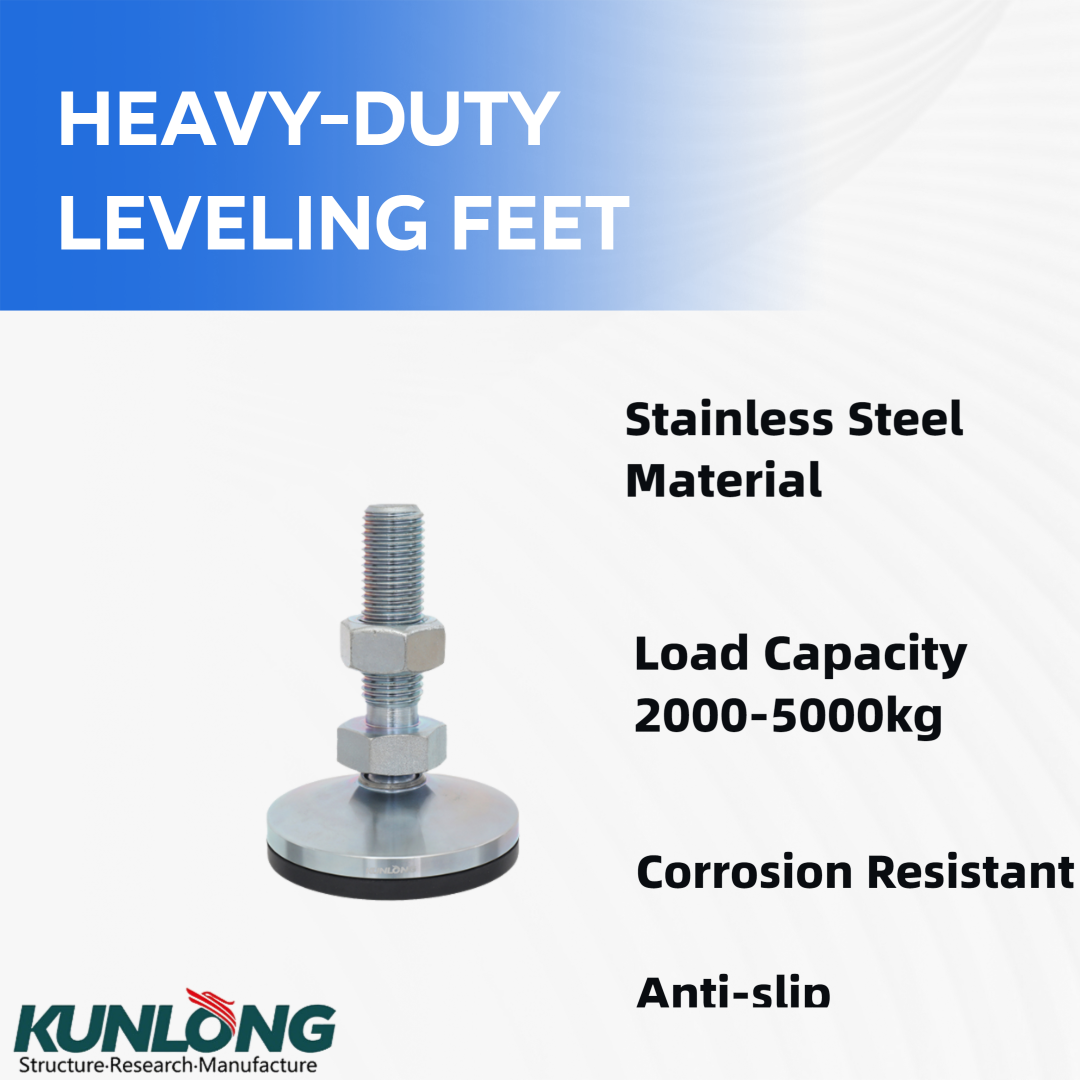
For biomedical devices, stability is a prerequisite for high-precision operation. Even minor vibrations or tilting can affect results in testing equipment or laboratory instruments.
Leveling feet provide fundamental support during equipment operation:
· Adjust equipment to a level state, ensuring stable operation
· Distribute loads, enhancing overall weight-bearing capacity
· Absorb some vibration, reducing external interference
In precision equipment applications, properly designed leveling feet contribute to overall performance improvement.
4. High-Frequency Usage and Safety Requirements: The Reliability of Structural Components is Critical
Medical devices are typically used frequently and must meet strict safety standards. During daily operation and maintenance, structural components need to remain stable over time without loosening or failure.
In this context, hardware components should offer:
· Excellent fatigue resistance
· Stable structural performance
· Long-term service life
Whether it’s latches, hinges, or leveling feet, their performance directly impacts equipment reliability and maintenance costs.
In high-standard applications, paying attention to the selection and optimization of hardware structures is a fundamental step toward achieving long-term reliable operation. If you are designing or upgrading biomedical equipment, contact Shangkun. We provide tailored hardware solutions for different application scenarios, helping your equipment operate more stably and reliably.your equipment operate more stably and reliably.