
Views: 0 Author: Site Editor Publish Time: 2026-05-22 Origin: Site
As industrial automation continues to advance, more companies are focusing on smarter systems, higher efficiency, and long-term operational stability. In this process, attention is often placed on core components such as control systems, servo motors, and sensors. However, many factors that affect user experience and equipment reliability actually come from basic structural components — and industrial handles are increasingly being recognized as one of them.
In automation equipment, industrial handles may appear to be simple components, but they play an important role in equipment access, maintenance operations, and human-machine interaction. Especially in high-frequency operating environments, the quality and structural design of handles can directly affect operational efficiency and maintenance convenience.
First, the maintenance frequency of automation equipment is continuously increasing. Whether it is CNC machines, laser equipment, or new energy production systems, operators frequently open cabinet doors, maintenance panels, and functional modules. If the handle lacks sufficient strength, long-term use may lead to loosening, deformation, or breakage, which can reduce operational efficiency and even increase equipment downtime risks. As a result, more manufacturers are paying greater attention to the application of high-quality industrial handles.
Secondly, modern equipment places higher demands on ergonomic design. Traditional handles often focused only on basic functionality, while today’s automation equipment emphasizes operating comfort and safety. Ergonomically designed handles can improve grip comfort and reduce operator fatigue, especially in large-scale equipment or high-frequency operation scenarios where their value becomes more noticeable.
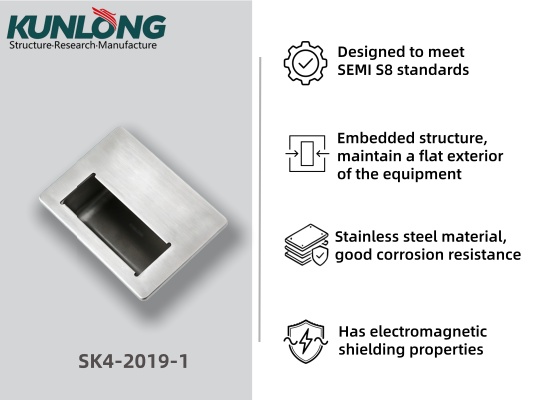
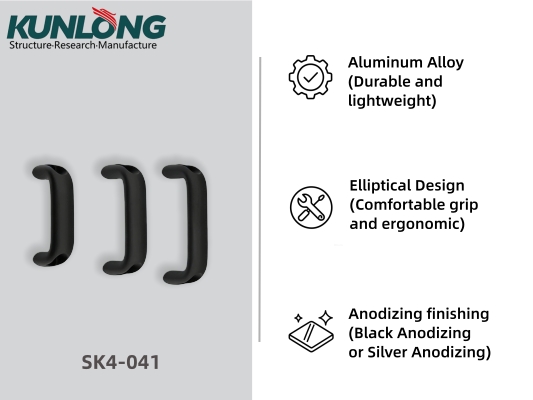
At the same time, different industries have different performance requirements for industrial handles. For example, in food processing and biomedical industries, equipment often operates in humid environments or undergoes frequent cleaning procedures. Therefore, corrosion resistance, surface finishing, and easy-to-clean performance become critical factors. In semiconductor and precision automation industries, greater emphasis is placed on structural precision, appearance consistency, and cleanroom compatibility.Based on different application environments and functional requirements, engineers may choose industrial handles made from zinc alloy, engineering plastics, aluminum alloy, or stainless steel to balance durability, cost, and overall equipment design.
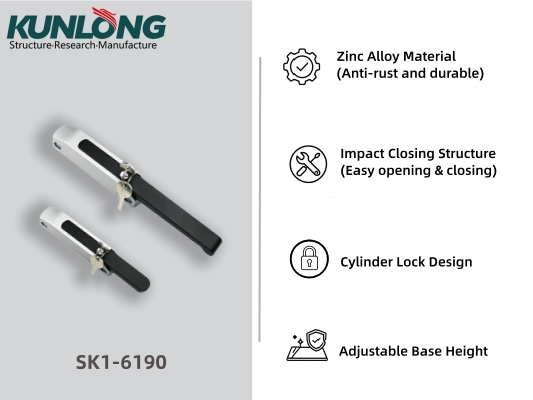
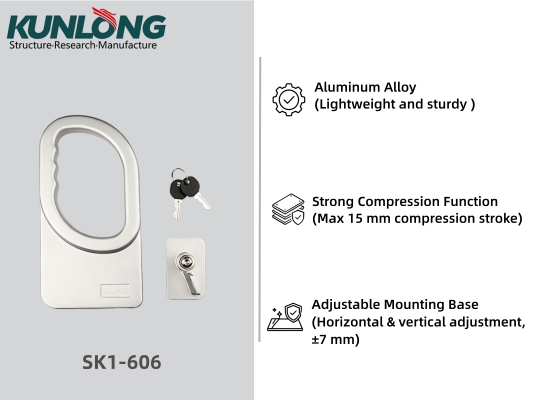
As equipment appearance design becomes increasingly important, industrial handles are also becoming part of the overall visual identity of machines. High-quality cabinet structures combined with refined handle designs can enhance the overall appearance of equipment while also reflecting a manufacturer’s production standards and brand image. Therefore, many equipment manufacturers now consider industrial hardware components as an important part of product design.
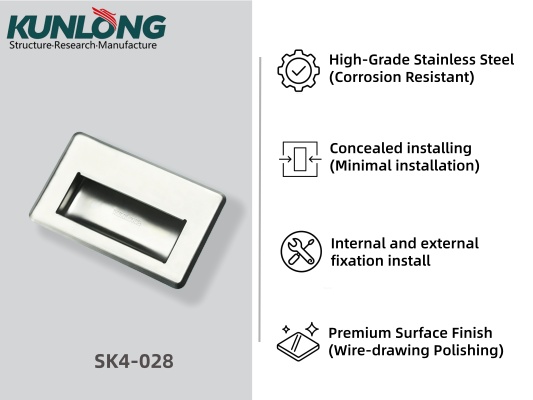
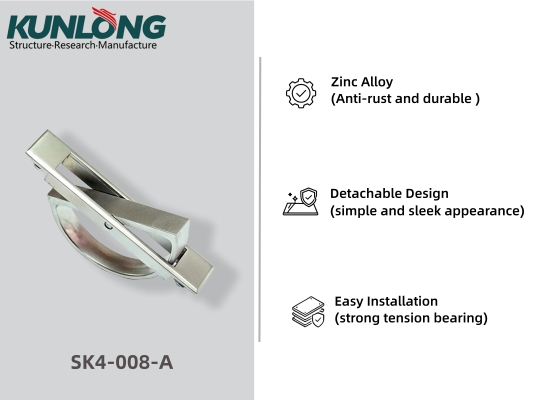
Choosing the right industrial handle is not only related to daily operating experience, but also affects the long-term stability and overall quality of equipment. Shangkun Industrial has been deeply involved in the industrial hardware industry for years, continuously providing diversified industrial handle solutions for automation equipment, new energy systems, medical devices, biotechnology, and other industries. By combining structural strength, aesthetic design, and practical application requirements, Shangkun helps equipment manufacturers improve product competitiveness and overall value.