How To Choose Door Hardware for Generator Enclosures
Views: 0 Author: ShangKun Publish Time: 2026-09-10 Origin: Site
Generator sets, distribution panels and energy storage PCS cabinets run around the clock outdoors — through wide temperature swings, continuous vibration, rain and dust. Generator enclosure door hardware — hinges, compression latches, handles and leveling feet — usually accounts for less than 5% of the machine cost. Yet a door that stops sealing, a leaf that starts to sag, or a latch that works itself loose all end up as downtime and rework. This guide breaks the selection logic into three checks you can run against your own drawings.
1. Four Specifications Power Generation Door Hardware Must Meet
What separates a power generation site from an indoor cabinet is simple: nobody is standing next to it, and stopping the machine to fix a door is expensive. So start from the operating conditions, not the dimensions.
Ingress protection (IP65 / IP66 / NEMA 4X)
IP65 means dust-tight plus protection against water jets; IP66 adds protection against powerful water jets. The rating is not really about the latch being waterproof — it depends on whether the latch keeps compressing the door against the gasket. A plain cam lock only holds the door shut; it will not compress a gasket evenly at all four corners, and the IP rating on your drawing never reaches the site. This is the most common failure point on power cabinets.
Vibration and loosening
A running generator produces continuous vibration, not an occasional shock. Once a hinge develops axial play, or a latch has no compression stroke to take up slack, a few dozen hours of running is enough to produce rattling, a visible gap, or a locking point that opens itself.
Opening and closing cycles
Cabinet doors are opened thousands of times across the life of the equipment. The industry generally treats 20,000 cycles as the threshold for long-term service. Every KUNLONG batch goes through a 15-point quality inspection and a 24,000-cycle life test before shipment — both figures can be written straight into a technical agreement.
Corrosion and weather resistance
Salt spray is the dominant failure mode for coastal wind projects, offshore platforms and high-humidity sites. Material choice matters more than surface finish — see section 4.
Door position
Main risk
Selection priority
Product family
Generator canopy / weatherproof door
Heavy leaf, continuous vibration, direct rain
Load-bearing hinge + latch with a real compression stroke + sealing handle
Heavy duty hinge / compression latch / sealing handle
Distribution and control cabinets
Frequent maintenance access, must not self-open
Swing handle lock + exposed hinge + door stopper
Handle lock / exposed hinge / door stopper
Energy storage PCS cabinet, outdoor power enclosure
Table 1. Door positions in power generation equipment and the hardware each one needs.
2. Matching Hardware to the Three Door Positions
2.1 Generator canopy and weatherproof doors: weight and vibration first
Canopy doors carry acoustic lining and a gasket, so a single leaf is often tens of kilograms and swings wide. The hinge has to balance load capacity against opening angle, the latch needs a real compression stroke, and the handle must pull the door onto the gasket.
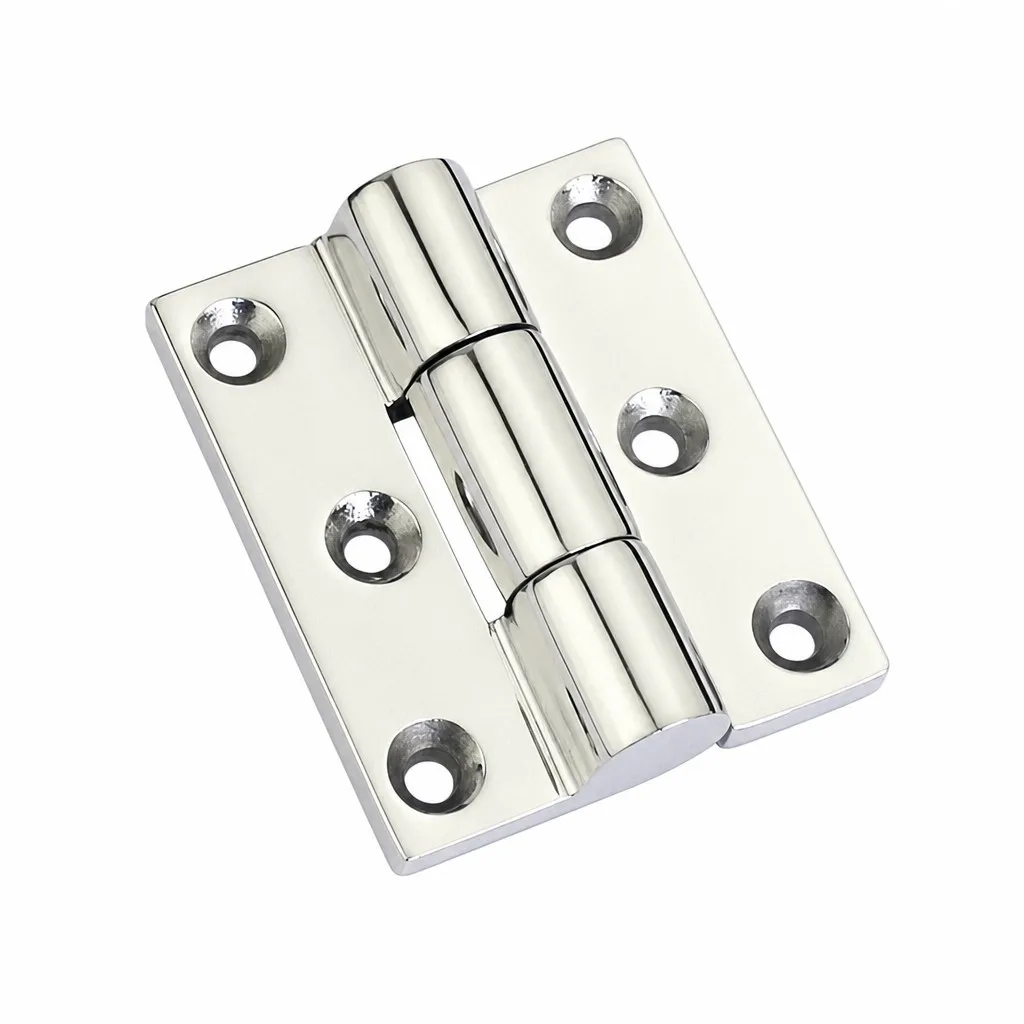
Hinge — KUNLONG SK2-6880S stainless steel heavy duty hinge: SUS304, low profile with a 180° opening angle, pure stainless steel solid casting for strong load bearing. Heavy leaves can also be matched with the SK2-201 heavy duty door hinge series.
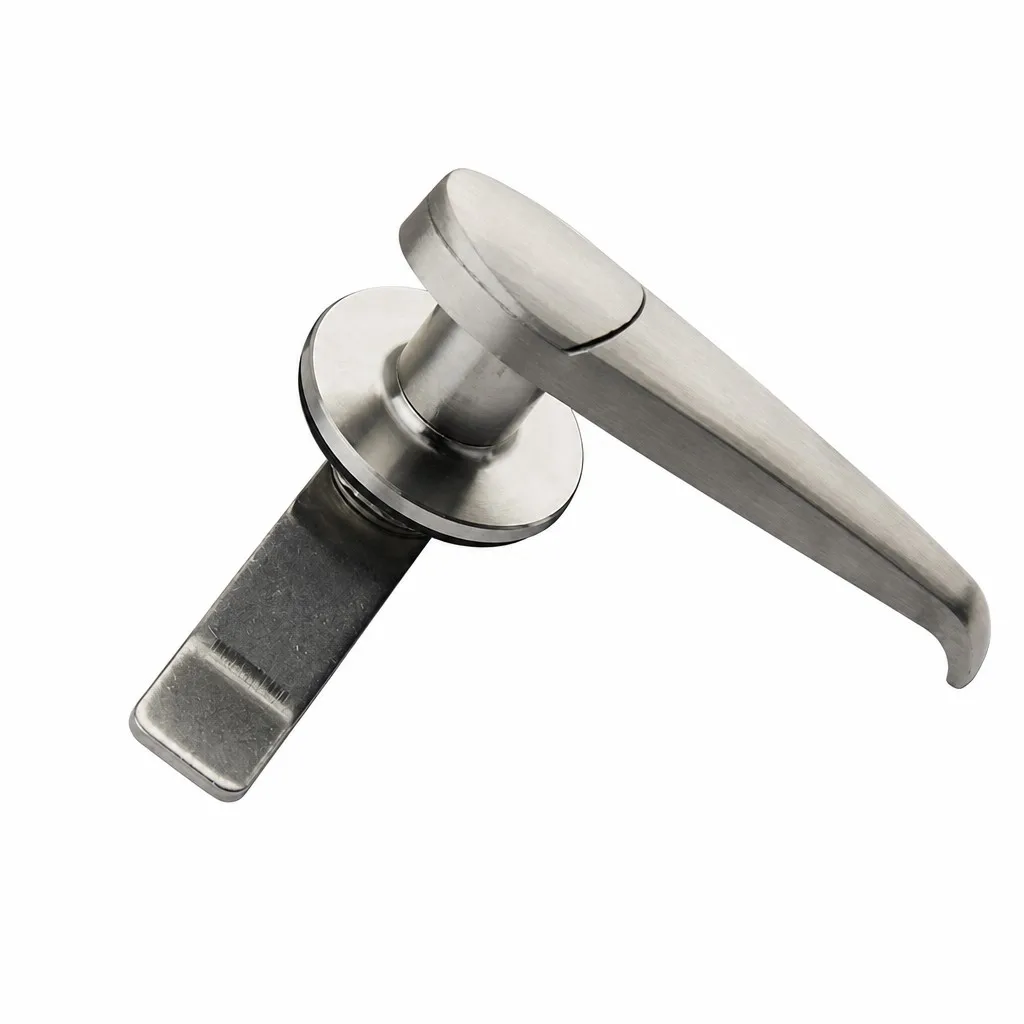
Latch — KUNLONG SK1-317S compression latch: positioned by the manufacturer for high-end power boxes, control boxes and harsh-environment cabinets. It solves the "closes, but will not compress" problem that outdoor doors develop.
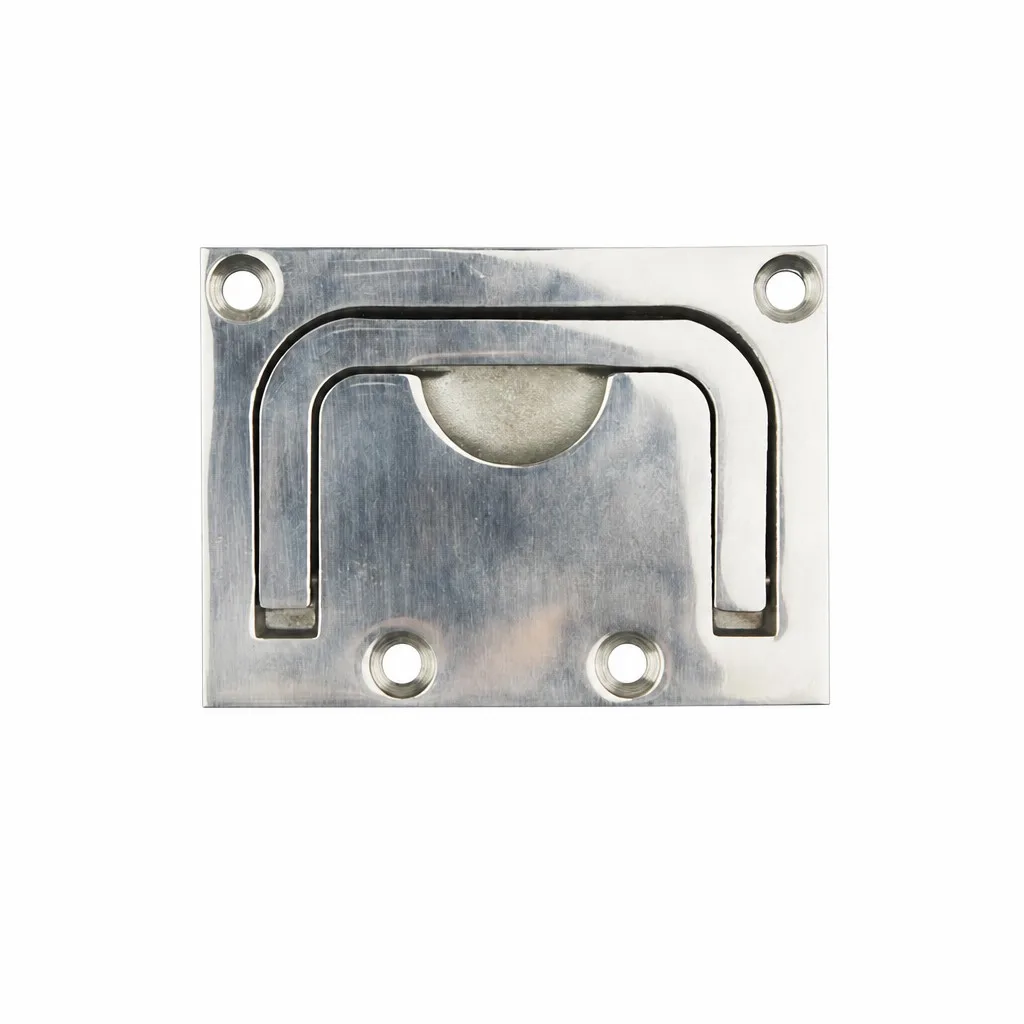
Handle — KUNLONG SK4-9003 stainless steel sealing flat handle, or the concealed SK4-9002-1 / SK4-9002-2 flat handles.
2.2 Distribution and control cabinets: access speed and anti-tamper
These doors see the highest opening frequency on site, so the priority is simple: easy to open, easy to close, and it must not open itself.
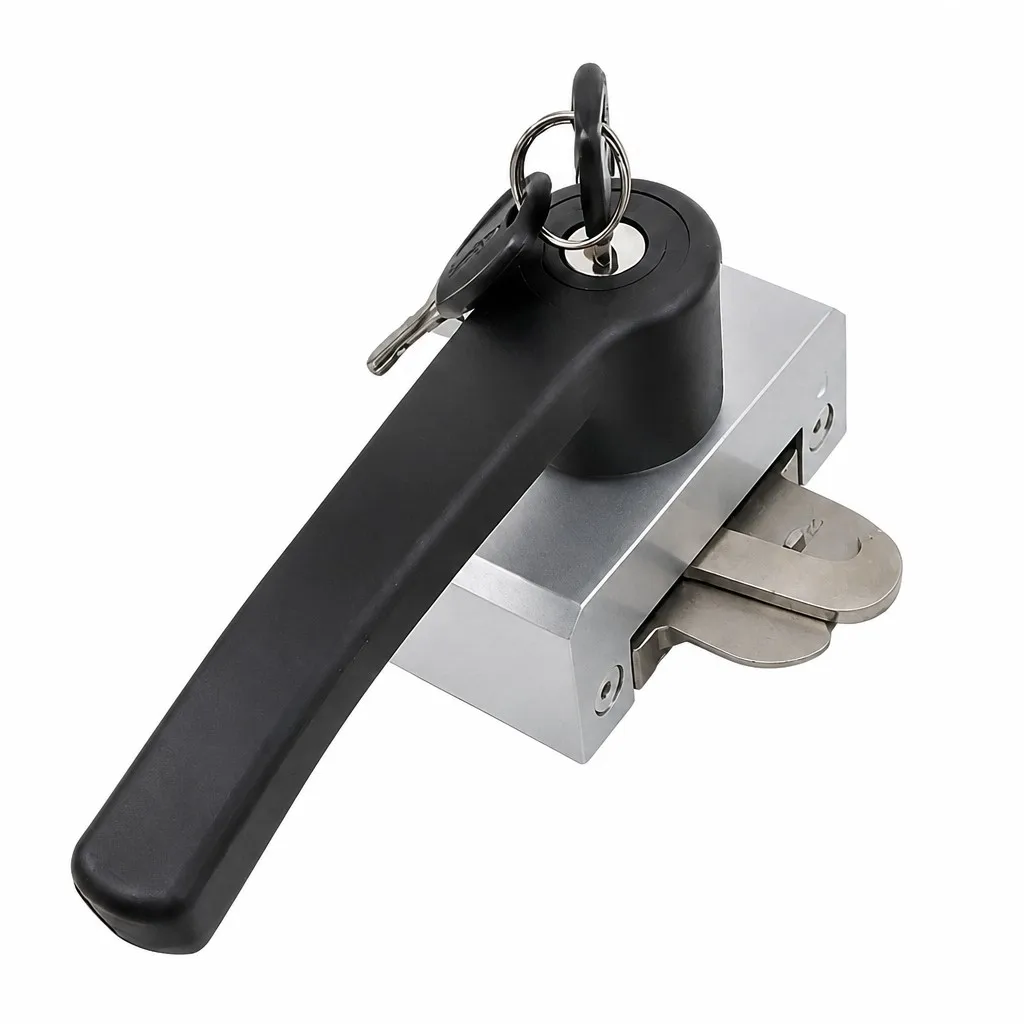
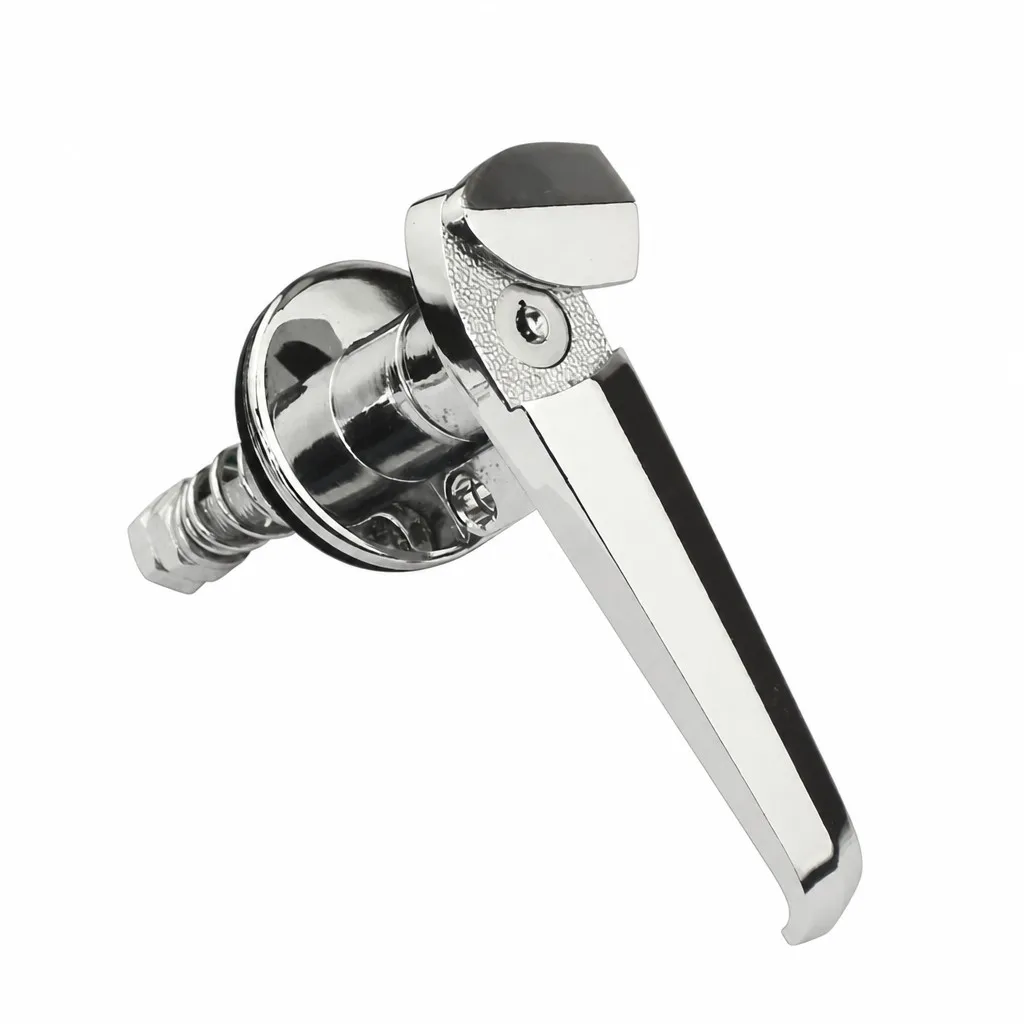
Handle lock — KUNLONG SK1-071 swing handle latch, the electrical panel door lock line built for distribution boxes and electrical cabinets.
Latch lock — KUNLONG SK1-315 metal cabinet latch lock, or the SK1-314 T-handle lock for gloved operation.
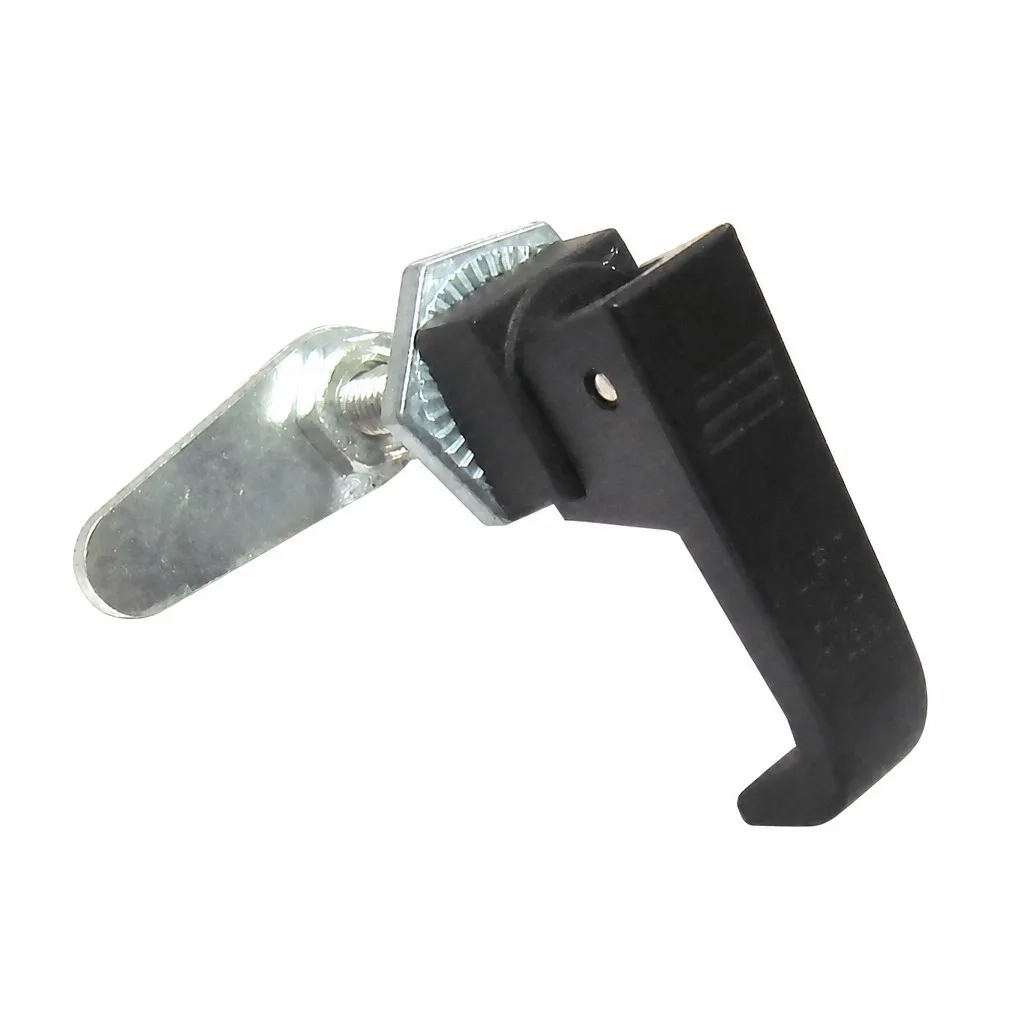
Compression latch — KUNLONG SK1-706R: approximately 12 mm of compression travel, horizontal and vertical mounting adjustment to absorb assembly tolerances, zinc alloy body with SUS304 stainless steel components. Specified for electrical control cabinets, 5G cabinets and energy storage systems.
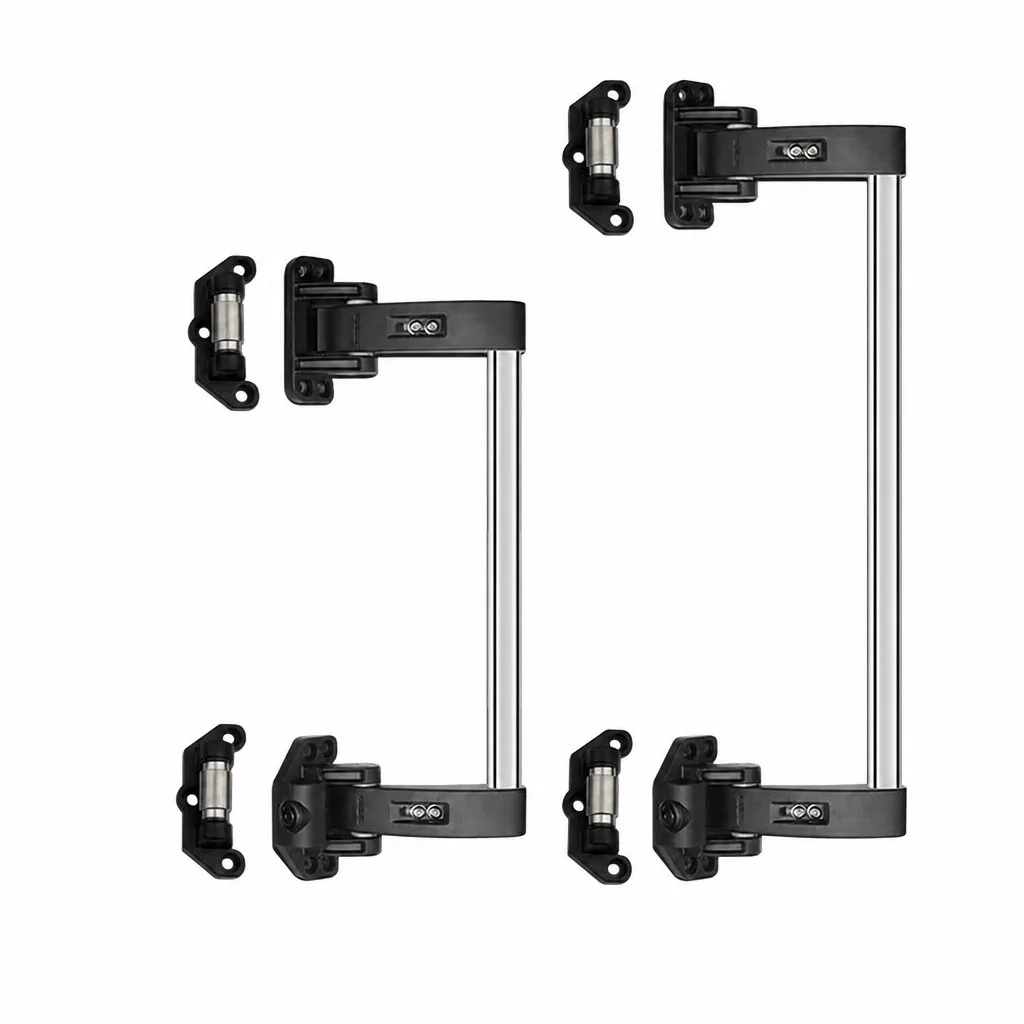
Hinge — KUNLONG SK2-067 exposed hinge for industrial cabinets.
Door stopper — KUNLONG SK5-017S stainless steel door stopper: stops the door slamming into the cabinet face and damaging the paint.
2.3 Energy storage PCS cabinets and outdoor power enclosures: corrosion, security, vibration
These units run unattended in the field. Locks have to resist tampering, and the base has to isolate vibration.
Compression handle locks — KUNLONG SK1-309S-2 and SK1-1937, used together with the SK1-706R so that compression force stays consistent across the same cabinet.
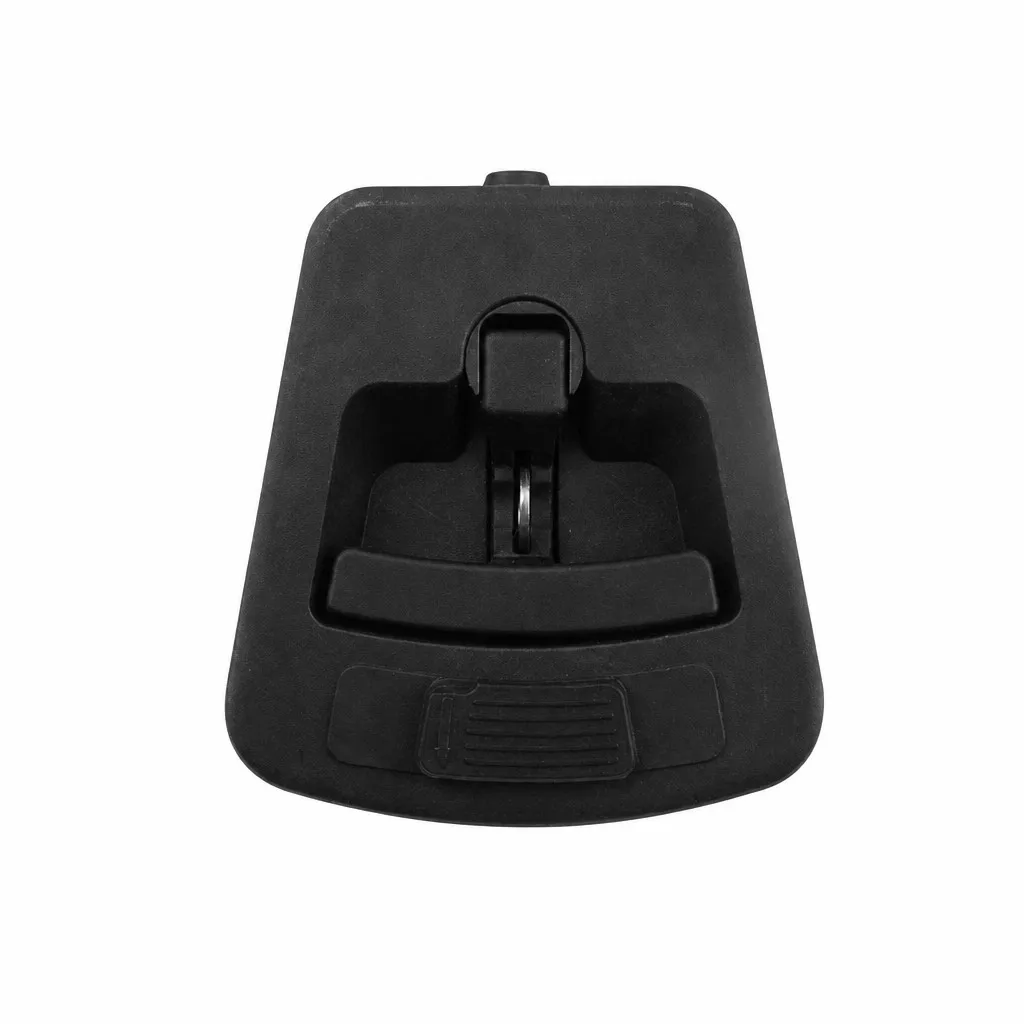
Paddle latch — KUNLONG SK1-740 paddle latch: single-hand operation for panels that are opened during every maintenance visit.
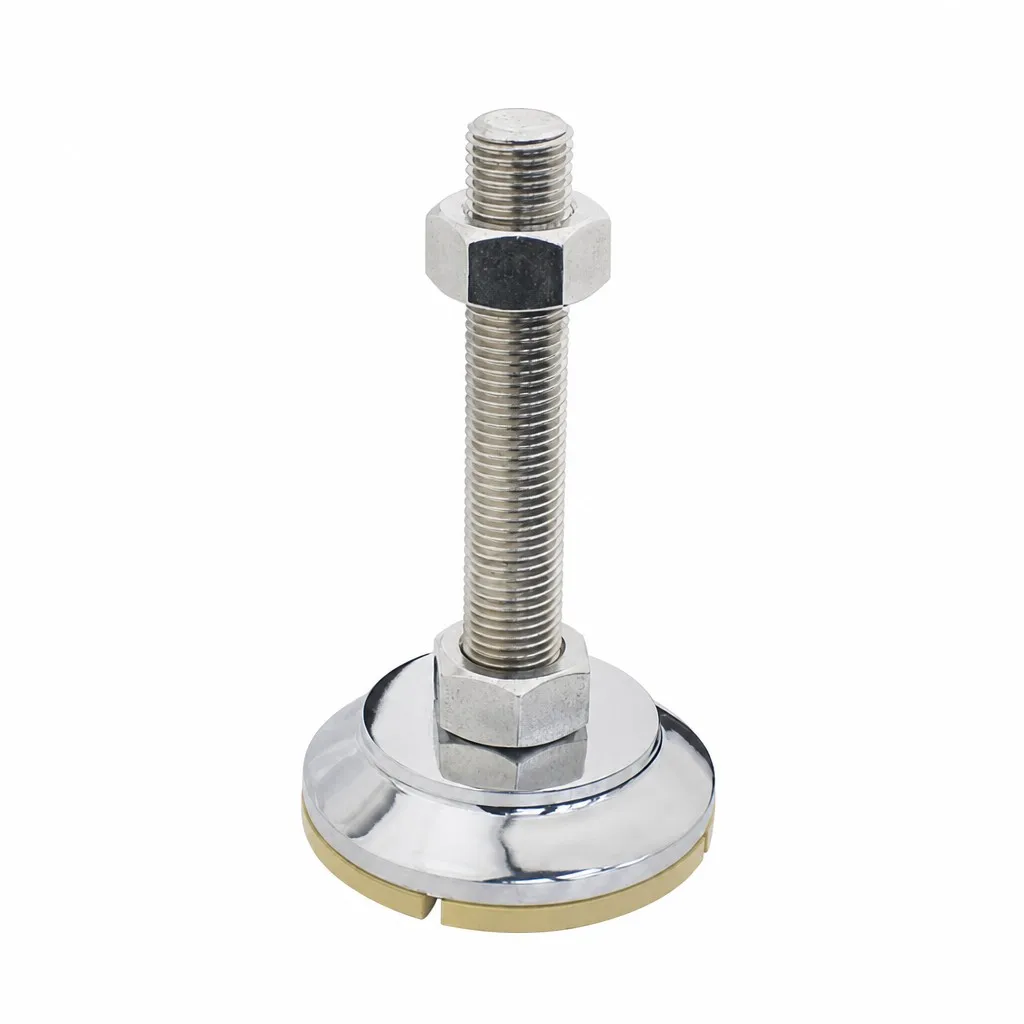
Anti-vibration leveling feet — KUNLONG DT-80 / DT-50, or the FT-T140 heavy duty steel leveling feet: isolating generator vibration from the cabinet while leveling it on an uneven pad.
3. Key Models: Features and Where They Fit
These eight models are the ones most often specified on power generation projects. Materials, opening direction, opening angle and compression travel all come from the published specification, so they can be checked against a technical agreement directly.
SK2-6880S Heavy Duty Hinge
SUS304 | Bright polishing | Left and right hinging
Low profile design with a 180° opening angle, so a door can sit close to a wall
Pure stainless steel solid casting for strong load bearing
Cast steel construction with excellent load-bearing performance
Large contact area with a rubber pad: non-slip, anti-vibration, and it will not damage the floor
Suited to large equipment that carries load long-term and needs on-site leveling
Fits: generator set bases, large automation equipment
All models can be built to your drawing — mounting pattern, material and surface finish (OEM / ODM).
4. 304 or 316 Stainless Steel?
Getting the material wrong is the most expensive mistake on a power generation project — not because the unit price is high, but because of the downtime cost of replacing a whole batch three to five years later.
Item
304 stainless steel
316 stainless steel
Corrosion mechanism
Relies on the passive film formed by chromium and nickel
Adds roughly 2–3% molybdenum, markedly stronger resistance to chloride pitting
Coastal wind projects, offshore platforms, high-humidity and high-salt-spray sites, chemical environments
Cost
Lower
Higher
Recommendation
Default for inland projects, keeps cost under control
Recommended as the default for coastal, offshore and high-salt-spray projects
Table 2. Choosing between 304 and 316 for outdoor power equipment.
The decision rule is short: how far is the site from the sea, does the technical agreement specify a salt-spray test duration, and is the equipment washed down? If any one of the three applies, go straight to 316.
On specific models, the KUNLONG SK4-9003 sealing flat handle is pure 316 stainless steel with a bright polish. Its published characteristics are strong corrosion resistance, concealed installation and a low exterior profile, and it suits control equipment, mini containers and measuring equipment. For coastal and offshore projects it can be treated as the default handle.
5. Model Selection Quick Reference
Door position
Recommended model
Type
Key characteristic
Canopy / weatherproof door
SK2-6880S
Stainless steel heavy duty hinge
SUS304, 180° opening angle, left/right
Canopy / weatherproof door
SK1-317S
Compression latch
Stainless steel, dust-proof key cover
Canopy / weatherproof door
SK4-9003
Sealing flat handle
316 stainless, concealed, low profile
Distribution / control cabinet
SK1-071
Swing handle latch
Adjustable pawl, left/right opening
Distribution / control cabinet
SK1-315
Metal cabinet latch lock
Rotating T-handle, keyed or unkeyed
Distribution / control cabinet
SK2-067
Exposed hinge
Clean exterior face, easy to install
Distribution / control cabinet
SK1-706R
Compression latch
~12 mm travel, two-way mounting adjustment
Energy storage / outdoor enclosure
SK1-309S-2
Compression handle lock
Single- or three-point pawl
Energy storage / outdoor enclosure
SK1-1937
Compression handle lock
20 mm max travel, 12 mm adjustable
Energy storage / outdoor enclosure
SK1-740
Paddle latch
Adjustable latching point, waterproof
Energy storage / outdoor enclosure
DT-80 / FT-T140
Anti-vibration leveling feet
Vibration isolation plus leveling
All positions
SK5-017S
Stainless steel door stopper
Protects the cabinet face
Table 3. Look up a model by door position.
6. FAQ
How do I size a hinge for a generator canopy door?
Work out the weight of one leaf first — panel, acoustic lining, gasket and hardware — then specify hinges with at least a 1.5× safety margin. Doors wider than 1 metre, or notably heavy leaves, should use heavy duty hinges, and you should ask the manufacturer for load data rather than estimating.
What latch do I need to reach IP66 on an outdoor power cabinet?
IP66 depends on the gasket being compressed evenly, not on the latch being waterproof. Choose a latch with a real compression stroke — the SK1-706R provides approximately 12 mm — so that pressure is distributed around the whole door perimeter. A single plain cam lock leaves the corners under-compressed.
Is 304 stainless steel enough for a coastal wind project?
Not as a default. Coastal salt-spray environments justify 316 stainless steel from the outset; paying for corrosion resistance up front costs less than replacing the hardware a few years later.
Should I buy enclosure hardware as a matched set or separately?
Hinge load capacity, latch compression and IP rating all interact. A matched set from one supplier has already been performance-tested together, so compression force and load ratings stay consistent and no on-site re-fitting is needed.
Can you build to our drawing, and what about MOQ and lead time?
Yes. OEM/ODM covers sizes, mounting patterns, materials, surface finishes and branding. Standard models ship from stock; custom parts are quoted with MOQ and lead time, usually within one working day.
7. Next Step: Get the Whole Door Right the First Time
The hard part is not picking one model — it is making the hinge, the latch and the handle work together on the same door leaf, with matching compression force, adequate load capacity and an IP rating that actually holds.
As an industrial hardware manufacturer covering hinge, latch, lock, handle and leveling feet families under one roof, KUNLONG supports custom door hardware OEM projects from prototype to mass production. Send us the door size, gasket type and deployment conditions — coastal or inland, attended or unattended — and our engineers will come back with a matched recommendation and a quotation.
Power Generation Project Support
Send us your door data — get a matched hardware set within 24 hours
Door size, gasket type and deployment conditions are all our engineers need to recommend a matched hinge, latch, handle and leveling feet combination, with a quotation.
15-point inspection 24,000-cycle life test OEM / ODM